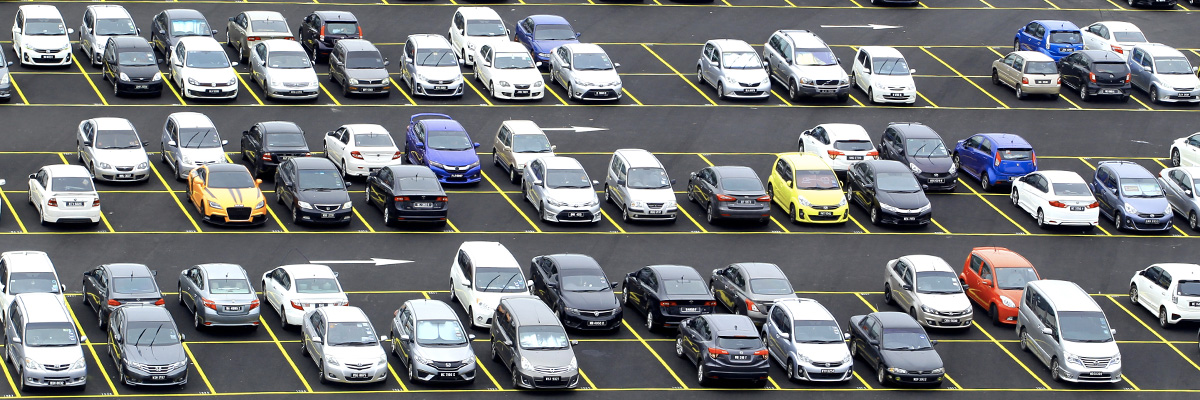

The African automotive sector has hit a historic milestone in 2026. As manufacturing costs for new vehicles continue to climb globally, the demand for jp used cars has reached a record valuation of $49.71 billion within the continent. According toMordor Intelligence (2026), used vehicles now represent over 85% of the total vehicle fleet across Africa, but the era of buying "blind" is officially over.
In 2026, the market is defined by a "Quality-Value Gap." While buyers still seek affordability, a massive shift toward organized dealer platforms is growing at a 4.72% CAGR. This shift is driven by a new generation of African consumers who prioritize transparency, documented maintenance, and 2026-compliant emission standards over the lowest possible auction price.
2026 Market Intelligence: Key Statistics and Trends
The 2026 landscape for jp used cars is no longer just about sedans. It is a market fueled by specific regional needs and evolving fuel preferences.
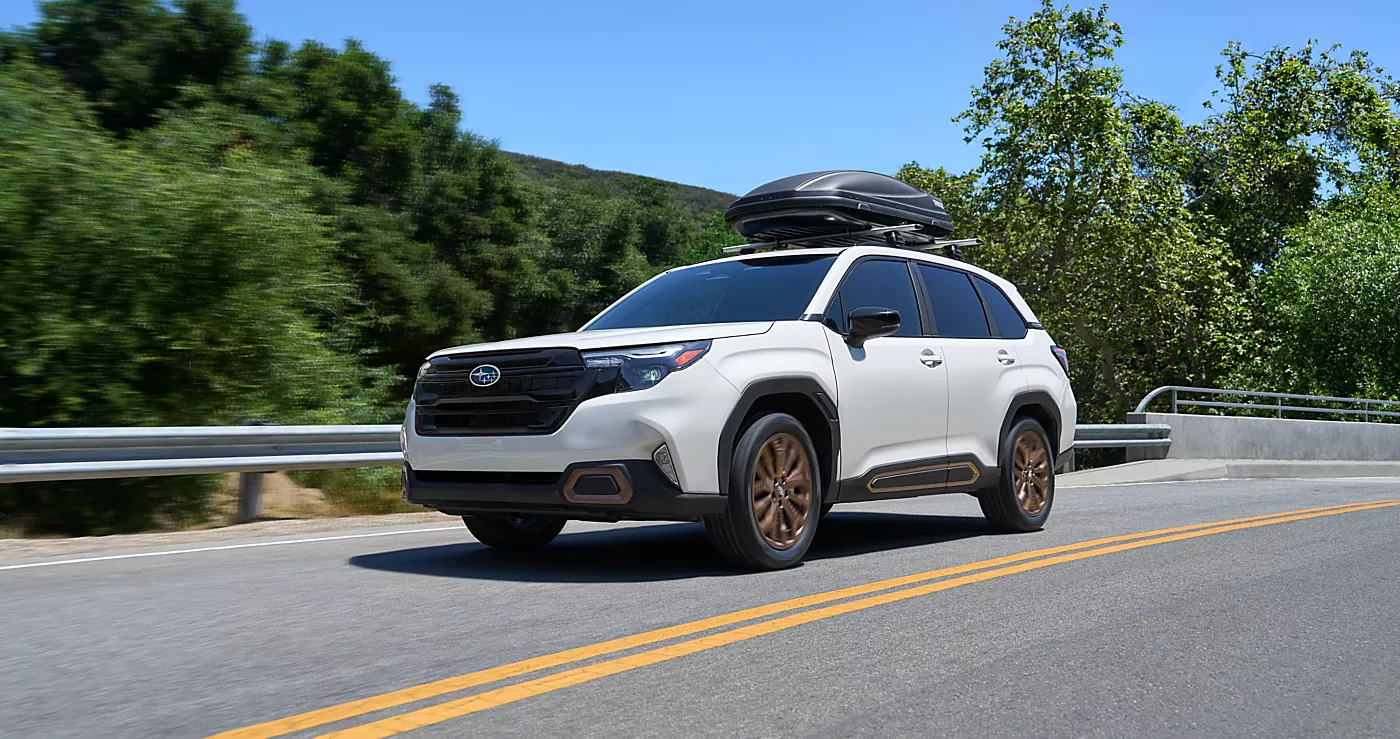
- SUV Dominance: In 2026, SUVs and MUVs hold a staggering 62.39% share of the African used car market. Models like the Toyota Vanguard and Honda CR-V are the "blue chips" of the 2026 trade lanes, prized for their durability on unpaved roads.
- The Hybrid Surge: While petrol still leads, the hybrid and EV segment is advancing at an 8.21% CAGR. Countries like Ethiopia and Rwanda are leading this charge with aggressive duty exemptions for green imports.
- The "3-to-5-Year" Sweet Spot: Data from theIMARC Group (2026) shows that vehicles aged between 3 and 5 years now secure nearly 40% of all import transactions. These units offer modern safety features (ADAS) that many African insurance providers began incentivizing in early 2026.
- Digital Transparency: Digital pure-play retailers are scaling at 10.65% annually, proving that African buyers now prefer virtual 360-degree inspections before committing to a wire transfer.
The 2026 Regulatory Wall: Navigating New Laws
Importing jp used cars in 2026 requires a precise understanding of the "Compliance Walls" erected by major African hubs to reduce carbon footprints and support local assembly.
- Kenya’s 2019 Hard Cap: As of January 1, 2026, the Kenya Bureau of Standards (KEBS) has moved the goalposts. Only vehicles manufactured from January 1, 2019, onwards are permitted. According toSeaways Kenya (2026), any vehicle manufactured in 2018 is now deemed "non-compliant cargo" and faces immediate rejection at Mombasa.
- Zimbabwe’s Radiation Screening: Zimbabwe has implemented mandatory radiation screening for all jp used cars at a cost of $10 per unit, plus an additional $50 for decontamination if required. This follows a strict adherence to the 10-year age limit for passenger vehicles.
- South Africa’s LOA Requirement: South Africa continues to restrict imports to returning residents and immigrants. To clear a vehicle here in 2026, an importer must secure a Letter of Authority (LOA) from the NRCS before the ship leaves Japan.
- Tanzania’s 8-Year Rule: Tanzania maintains a strict 8-year limit based on the year of manufacture. Exceeding this limit triggers punitive "age dump" taxes that can double the total landed cost.
5 Strategies for Sourcing High-Value JP Used Cars
To stay profitable in the 2026 market, buyers are moving away from unorganized independent yards and adopting these professional sourcing strategies:
- Verify the Manufacture Month: Always distinguish between the "Year of First Registration" and the "Year of Manufacture." In 2026, a late-2018 car registered in 2019 will be rejected in Kenya. Trusted exporters provide the chassis-verified manufacture date.
- Demand the Original Auction Sheet: The jp used cars market uses a grading system (S, 6, 5, 4.5, 4, 3.5, 3). In 2026, "Grade 4" remains the gold standard for African importers, signifying a vehicle with minor cosmetic wear but perfect mechanical health.
- Pre-Shipment Inspection (PVoC): Ensure your exporter handles mandatory inspections like QISJ (for Kenya) or JEVIC (for Tanzania). A valid Certificate of Roadworthiness (CoR) is the only way to avoid the Ksh 12,000 "validation fee" at the port.
- Target "Mild Hybrids": With petrol prices fluctuating across the continent, mild hybrid models like the Nissan Note e-Power are the fastest-moving units in the 2026 jp used cars inventory.
- Logistics Resilience: Due to 2026 port congestion, many buyers are now opting for the Beira (Mozambique) or Walvis Bay (Namibia) corridors to bypass delays at larger hubs like Durban or Mombasa.
The UFS Auto Exports Advantage
At UFS Auto Exports, we recognize that trust is the primary currency of 2026. We don't just sell jp used cars; we provide a compliance-guaranteed gateway to the Japanese auctions.
- Direct Auction Access: We give you real-time access to major houses like USS and TAA, allowing you to bid on 2019+ models as they hit the floor.
- Transparent Landed Costs: Our 2026 pricing model includes a breakdown of CIF (Cost, Insurance, Freight) plus estimated local duties, so there are no "port surprises."
- Verified Documentation: Every vehicle departs Japan with a full dossier, including the Export Certificate, JEVIC/QISJ reports, and translated auction sheets.
Conclusion: Investing in Reliability for 2026
The market for jp used cars in 2026 is a landscape of opportunity for those who respect the data. By focusing on 2019+ inventory, utilizing organized digital platforms, and ensuring pre-shipment compliance, African buyers can secure high-performing assets that stand the test of time. As the continent moves toward a greener, more regulated future, your choice of export partner will be the determining factor in your automotive success.
Ready to find your 2019+ compliant vehicle? Browse the UFS Auto Exports 2026 inventory today and let our compliance experts handle the paperwork while you focus on the road.
Frequently Asked Questions (FAQs)
- Can I still import a 2018 model to Kenya in 2026?
No. As of January 2026, only 2019 models and newer are allowed. Anything older is rejected at the port.
- What is the "Radiation Fee" in Zimbabwe?
It is a mandatory $10 screening fee ($50 for decontamination) applied to all vehicles from Japan to ensure they are free from radioactive isotopes following historical nuclear incidents.
- How long does it take for jp used cars to reach Africa?
Using RoRo (Roll-on/Roll-off) shipping, transit times typically range from 24 to 34 days to Mombasa or Dar es Salaam, depending on the shipping line (K-Line, MOL, or Hoegh).
- Which is the most reliable brand for 2026?
Toyota continues to hold 58% of its resale value after three years in Africa. The 2019+ Toyota RAV4 and Land Cruiser Prado are currently the most searched models.